The Ultimate Guide to Exploring Ancient Egypt

Ancient Egypt is one of the most captivating civilizations in history. With its monumental pyramids, grand temples, intricate tombs, and mystic gods, Egypt offers travelers a chance to step back in time. This ultimate guide takes you through the must-see landmarks, travel tips, historical insights, and more, so you can fully immerse yourself in the wonders of ancient Egypt.
Why Visit Ancient Egypt?
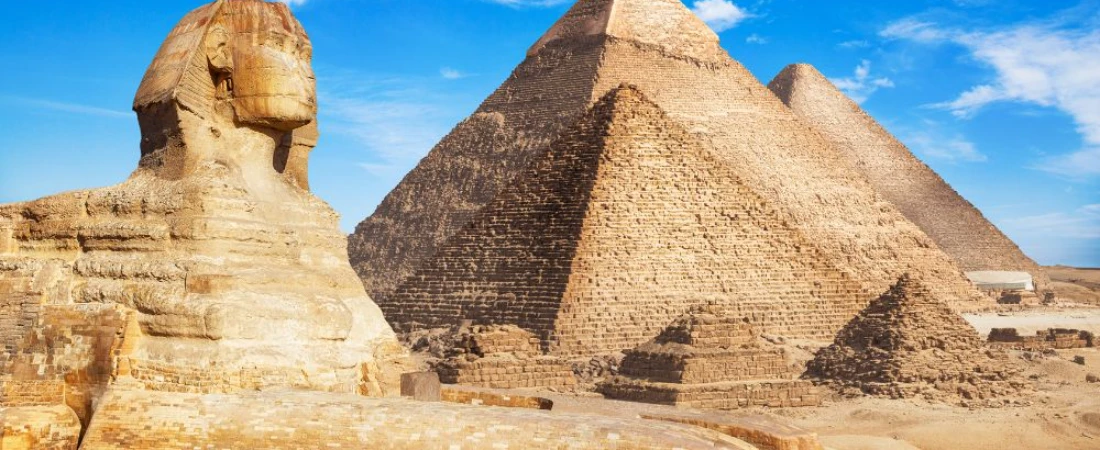
There are few places on Earth where history feels as alive as it does in Egypt. The country is home to some of the world’s oldest man-made structures, including the Great Pyramid of Giza—the only remaining wonder of the ancient world. Visitors can witness awe-inspiring architecture, decipher ancient hieroglyphs, and learn about pharaohs who once ruled an empire along the Nile River.
Planning Your Ancient Egypt Trip

Before diving into the historical sites, proper planning can make or break your trip. Egypt is best visited between October and April when the weather is cooler.
Visa & Travel Requirements
- Most travelers need a visa, which can be obtained online via Egypt’s e-visa portal.
- Vaccinations are not mandatory but recommended.
Currency & Language
- The Egyptian Pound (EGP) is the local currency.
- Arabic is the official language, though English is widely spoken in tourist areas.
Best Time to Visit
- October to April: Ideal weather for sightseeing
- May to September: Extremely hot, but less crowded
What to Pack
- Lightweight, breathable clothing
- A scarf or shawl for temple visits
- Sunscreen and water bottles
Cairo: The Gateway to Ancient Egypt
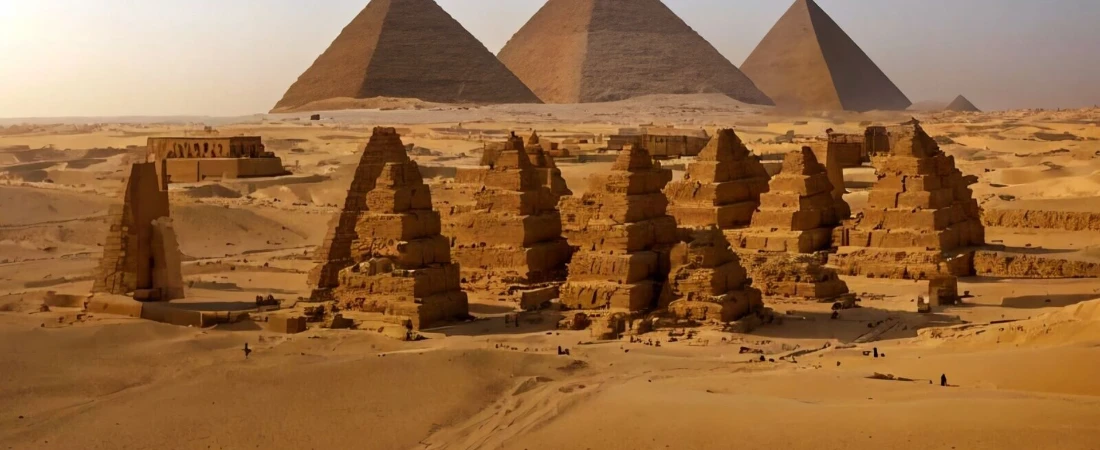
Cairo, the capital of Egypt, is where most travelers begin their journey. It’s a chaotic, vibrant city layered with both modern and ancient history.
Giza Pyramids and the Sphinx
The Giza Plateau is home to the iconic trio of pyramids built for Pharaohs Khufu, Khafre, and Menkaure. Nearby, the Great Sphinx keeps eternal watch.
- Arrive early to beat the crowds and heat
- Consider hiring a certified Egyptologist guide
- Don’t miss the Solar Boat Museum
The Egyptian Museum
Located in Tahrir Square, this museum houses the world’s most extensive collection of ancient Egyptian antiquities, including Tutankhamun’s treasures.
- Allocate at least 3 hours for your visit
- A new Grand Egyptian Museum is opening near the Giza Pyramids
For more on Egypt's top museums, check out guide to must-visit museums in Cairo.
Luxor: The World’s Greatest Open-Air Museum
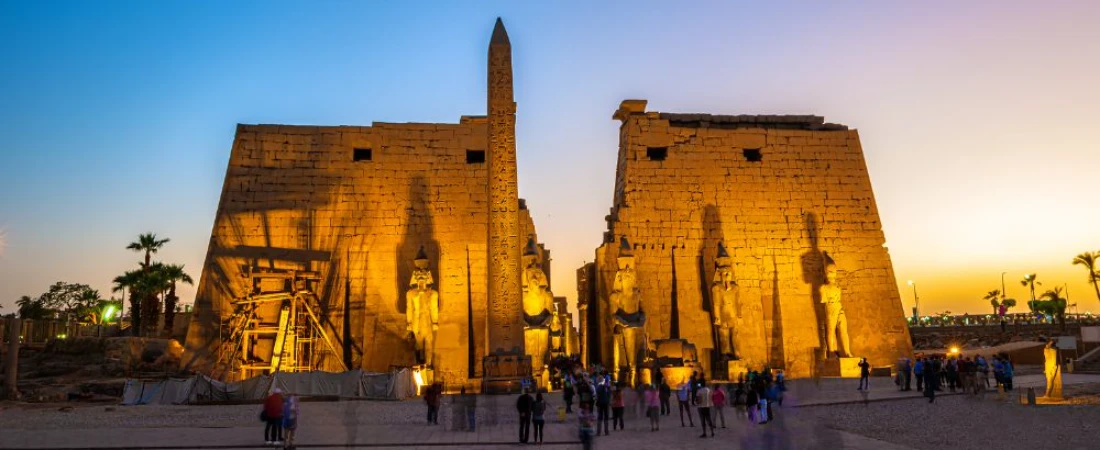
Luxor stands on the site of the ancient city of Thebes and is home to some of the most important monuments of ancient Egypt.
Karnak Temple Complex
Karnak is the largest religious building ever constructed. Its Hypostyle Hall, with 134 massive columns, is simply jaw-dropping.
Luxor Temple
Located in the heart of the city, Luxor Temple is beautifully lit at night and offers a different experience than during the day.
Valley of the Kings
Across the Nile on the West Bank lies the famed Valley of the Kings, the burial ground of pharaohs including Tutankhamun and Ramses II.
- Entry to three tombs is included with the basic ticket
- King Tutankhamun’s tomb requires an additional ticket
Learn more about Luxor attractions
Aswan: Temples and Tranquility
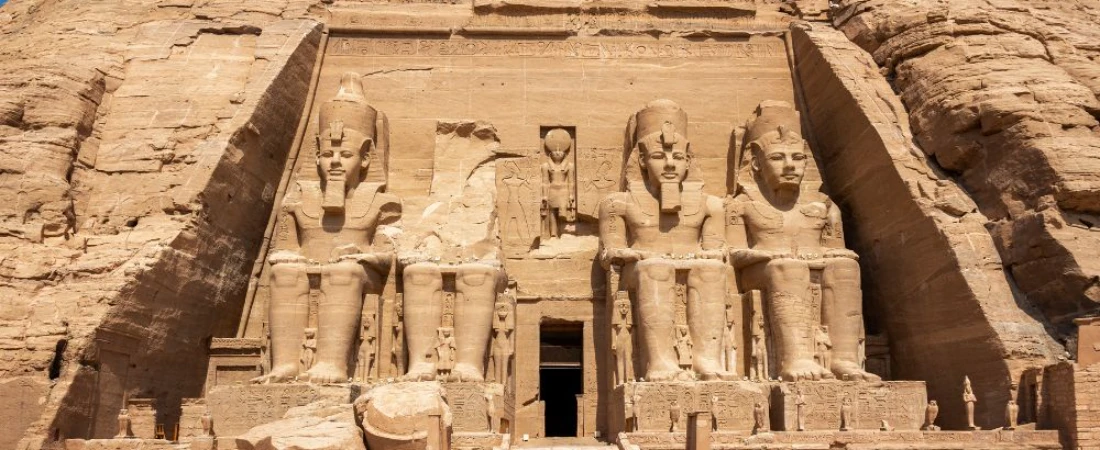
Aswan, further south along the Nile, is a peaceful contrast to Cairo and Luxor.
Philae Temple
This temple dedicated to the goddess Isis was relocated stone-by-stone after the construction of the Aswan High Dam.
Abu Simbel
Carved into rock by Ramses II, Abu Simbel’s grandeur is best appreciated in person. Try to catch the sunrise when the sunlight penetrates the temple interior.
- Accessible by road or a short flight from Aswan
- Light and sound shows available in the evening
Nile Felucca Rides
Take a traditional felucca boat ride at sunset to soak in the Nile’s serene atmosphere.
Alexandria: Egypt’s Mediterranean Gem
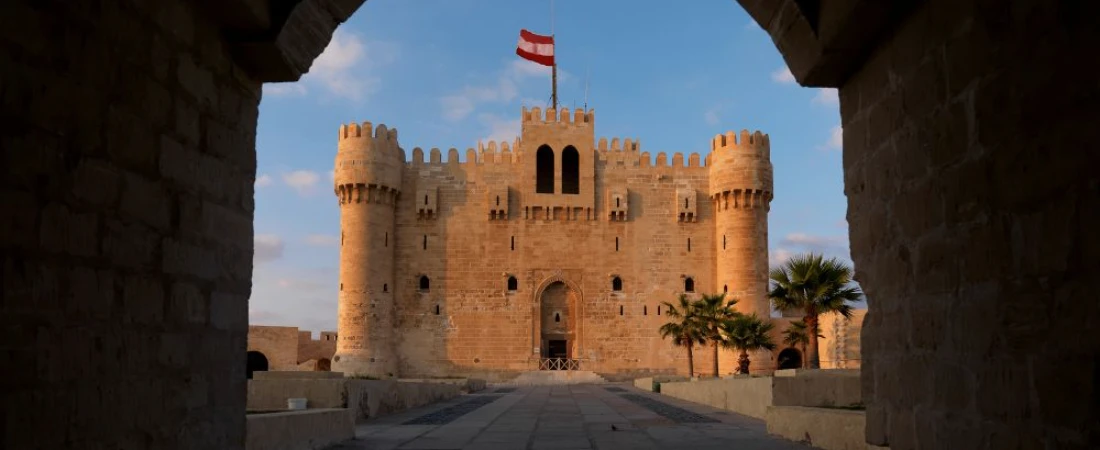
Founded by Alexander the Great, Alexandria was once the intellectual hub of the ancient world.
Bibliotheca Alexandrina
A modern revival of the ancient Library of Alexandria, this institution is a must-visit for history buffs and architecture lovers.
Catacombs of Kom El Shoqafa
These multi-level tombs blend Egyptian, Roman, and Greek architecture.
Qaitbay Citadel
Built on the same spot as the famed Lighthouse of Alexandria, this fortress offers panoramic views of the sea.
Explore more Alexandria highlights on Lonely Planet's Egypt Guide.
Tips for Exploring Ancient Sites

Hire a Licensed Guide
Many archaeological sites come alive with context. A guide can explain hidden meanings in carvings and lead you to lesser-known areas.
Respect Local Customs
While Egypt is used to tourists, modest dress and respectful behavior at religious sites are appreciated.
Stay Hydrated
Egypt’s desert climate can dehydrate you quickly. Carry a reusable water bottle and drink frequently.
Sample Itinerary: 10 Days in Egypt

Here’s a sample 10-day itinerary to help you maximize your trip:
Day 1-3: CairoExplore Giza Pyramids, Sphinx, Egyptian Museum, and Khan El Khalili market.
Day 4-6: LuxorVisit Karnak, Luxor Temple, Valley of the Kings, and Hatshepsut Temple.
Day 7-8: AswanRelax with a felucca ride, tour Philae Temple, and take a day trip to Abu Simbel.
Day 9-10: Alexandria or Red Sea ExtensionChoose between Alexandria’s coastal heritage or snorkeling and diving in Hurghada.
Final Thoughts
Exploring Ancient Egypt is more than just a vacation it’s an unforgettable dive into human history, art, culture, and mythology. From the pyramids of Giza to the majestic temples of Luxor and the serenity of the Nile, Egypt promises a travel experience like no other.
Whether you’re a first-time visitor or a returning explorer, the land of the pharaohs will leave you forever changed.